





Headquarters
Binjiang District, Hangzhou, Zhejiang
Building 3, China Data Valley

AVATAR E6 is a head-mounted capture device for embodied AI and machine learning. Six RGB cameras, a six-axis IMU and audio record the operator’s viewpoint, head motion and on-site sound in multimodal operation data.
Contact Us


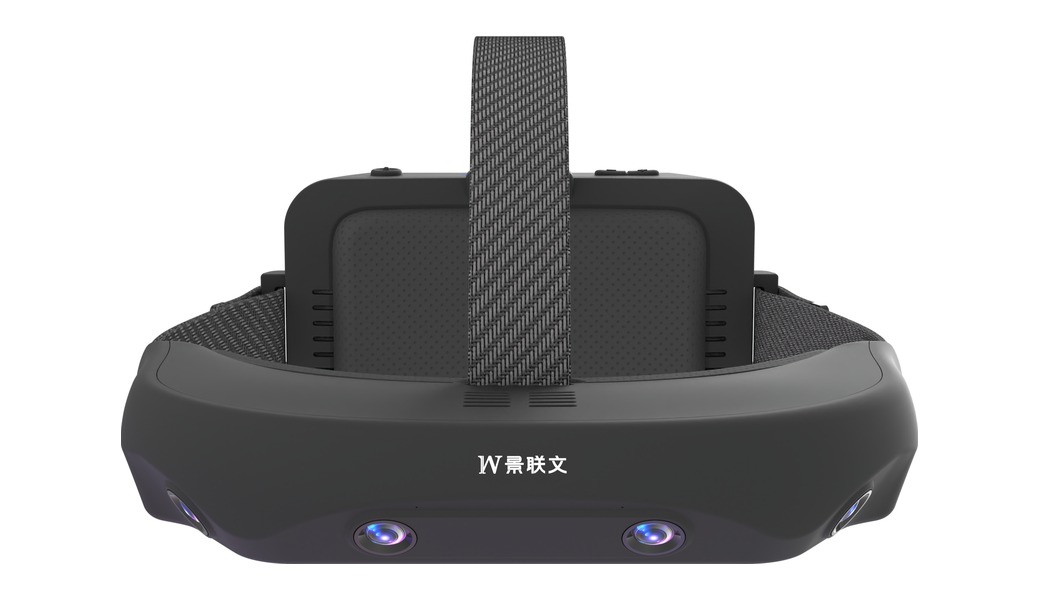
The front stereo pair and four additional RGB cameras record the operating environment together. The front monocular resolution is 1920 × 1200 and the other four capture at 1280 × 1088, all at 30 fps. Recordings keep front, side and downward stereo views as separate files for review from every direction.

A 200 Hz six-axis IMU works alongside audio recording. Each capture task outputs video, audio, raw IMU data, timestamps and calibration files, keeping multimodal data organized and easy to process.

Press the record button to start capturing — no network connection needed while recording. Afterwards, transfer data to a computer or server via a TF card reader, or upload to the platform through the APP.
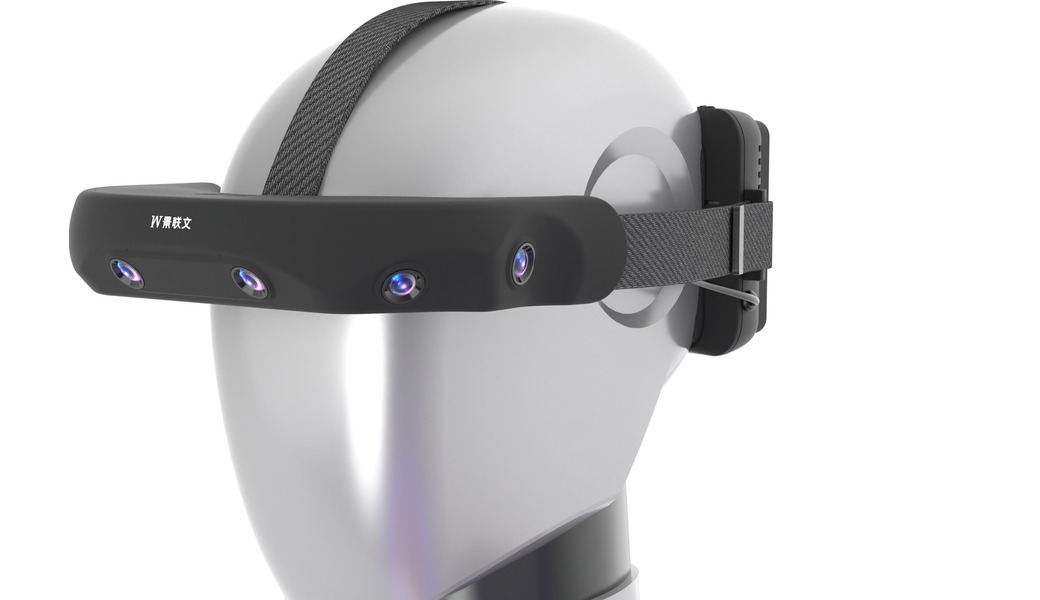
The device runs on two 18650 batteries that can be replaced when powered off. Left, right and top straps adjust for a secure fit. About 650 g with batteries.
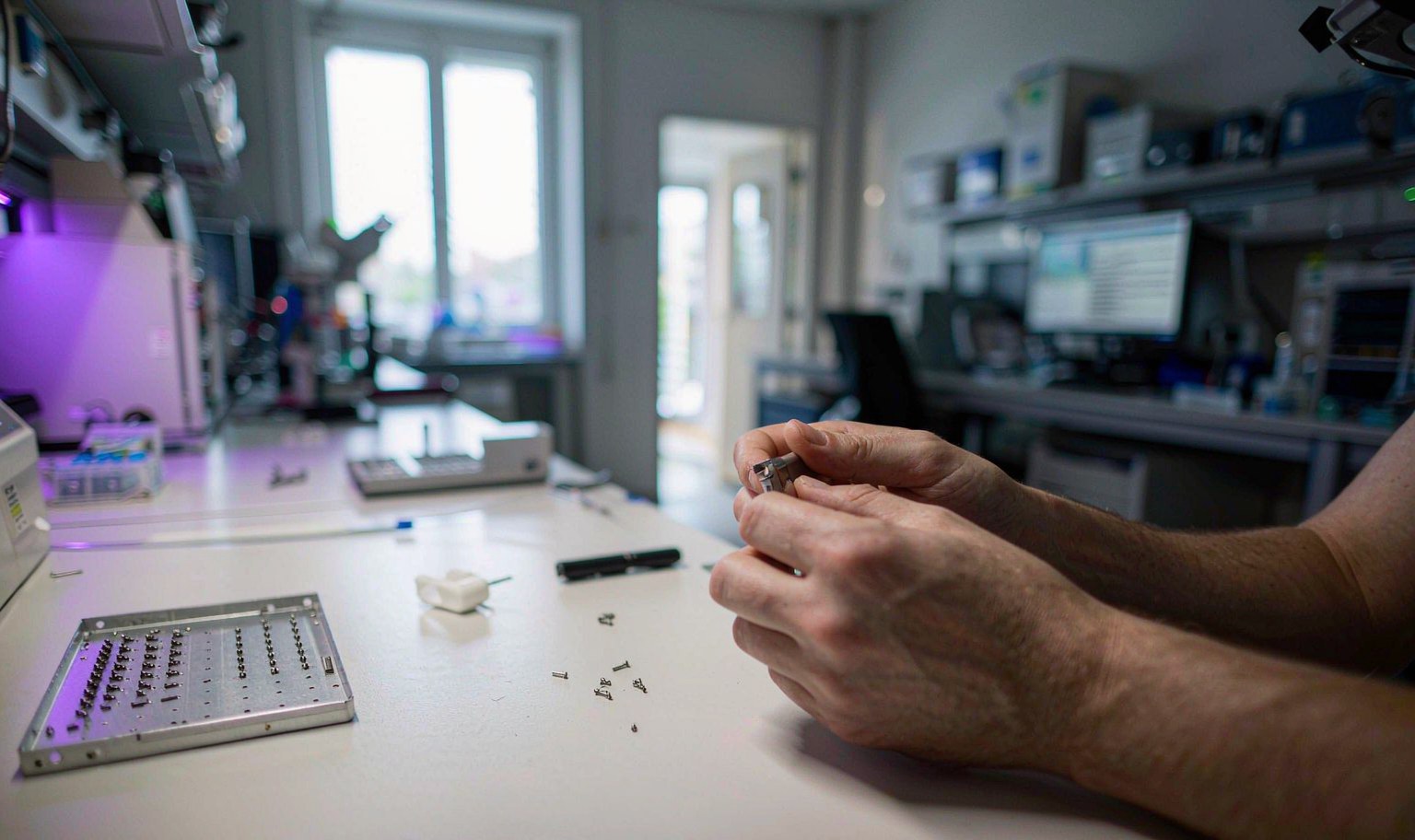
Record object interactions from the operator’s viewpoint to build demonstration datasets for robot learning.
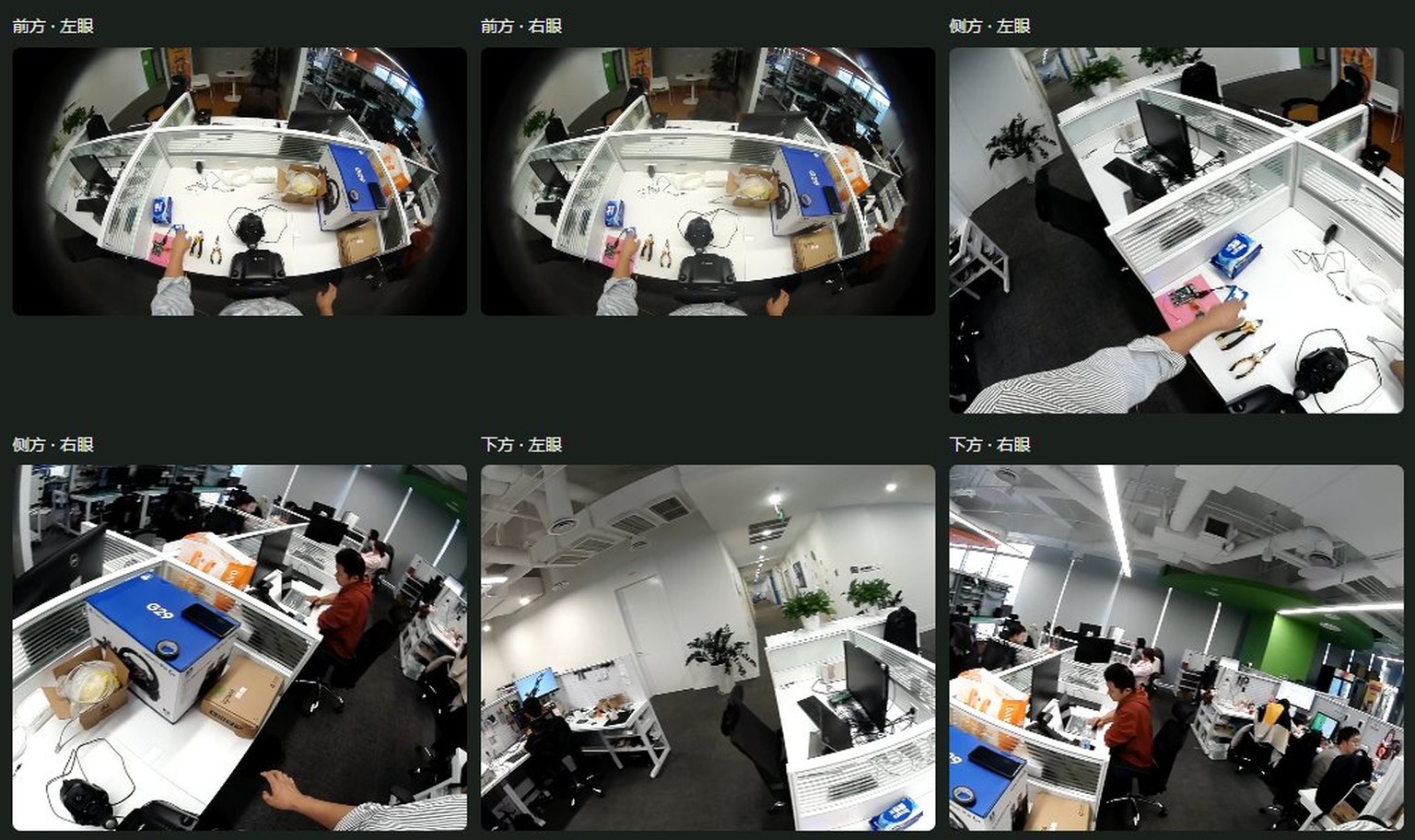
Wear the device to capture operation processes, building data for embodied AI without a robot body.

Process video, audio and inertial data together to study visual and motion information during operations.


Jinlianwen
Jinlianwen


Headquarters
Binjiang District, Hangzhou, Zhejiang
Building 3, China Data Valley
Beijing Branch
Haidian District, Beijing
Block N, Guangyao Dongfang
Chongqing Subsidiary
Liangjiang New Area, Chongqing
Building 11, Phase II, Internet Industrial Park
Guiyang Subsidiary
Yunyan District, Guiyang, Guizhou
Zhongjian Building
Wuhu Subsidiary
Jiujiang District, Wuhu, Anhui
Wuhu Intelligent Computing Industrial Park
Building 8, Zone A, Phase II

WeChat Official Account

WeChat for Inquiries
Copyright © 2026 Hangzhou Jinglianwen Technology Co., Ltd. All Rights Reserved.